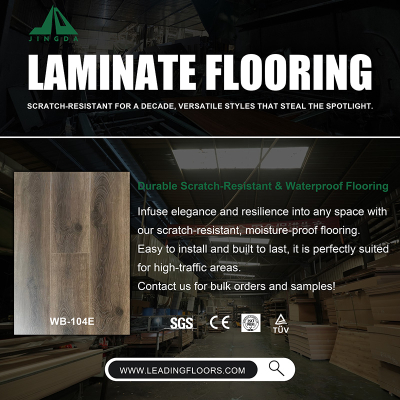

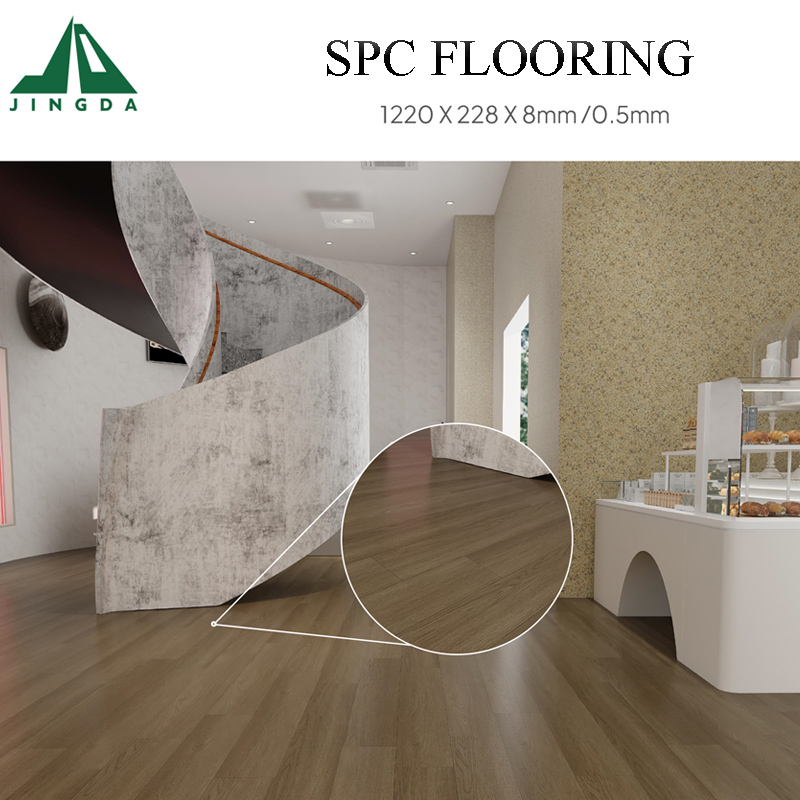
Dark Brown Waterproof Flooring
8mm spc flooring is nearly the thickest spc flooring in the market. It could be enhanced with much thicker wear layer,the Jingda 8mm thickness spc flooring could be with a wear layer up to 0.7mm max. It is super wear resistance and you can trust this series of spc flooring for a life time duty.
JINGDA Super SPC Flooring
When it comes to enhancing the aesthetic appeal and functionality of your home for a relatively low cost, choosing the right flooring at the right price can make all the difference. One flooring option that’s rapidly gaining popularity among homeowners and interior design enthusiasts is Stone Plastic Composite, or SPC flooring for short. This guide offers a deep dive into everything you need to know about SPC flooring and beyond.
What is SPC Flooring
SPC flooring is a sophisticated and innovative flooring solution that stands for Stone Plastic Composite. As the name suggests, SPC flooring is made by blending natural limestone powder, polyvinyl chloride, and stabilizers. The result is an incredibly sturdy and robust core layer that forms the backbone of this advanced flooring option. The only flooring that can really compare to SPC in terms of robustness is solid wood flooring, but at around twice the price is doesn’t fall within the budget constrains that SPC flooring buyers often seek.
SPC flooring’s unique composition gives it an unparalleled blend of strength, durability, and aesthetic appeal. Available in an array of designs and styles such as tile, plank and herringbone, it’s a perfect choice for homeowners seeking an affordable, yet classy flooring solution. Additionally, the advanced engineering behind SPC flooring also results in a product that is eco-friendly. The manufacturing process utilises recycled materials and creates less waste, contributing to a smaller environmental footprint. Such eco credentials puts SPC flooring in its own league against its alternatives.
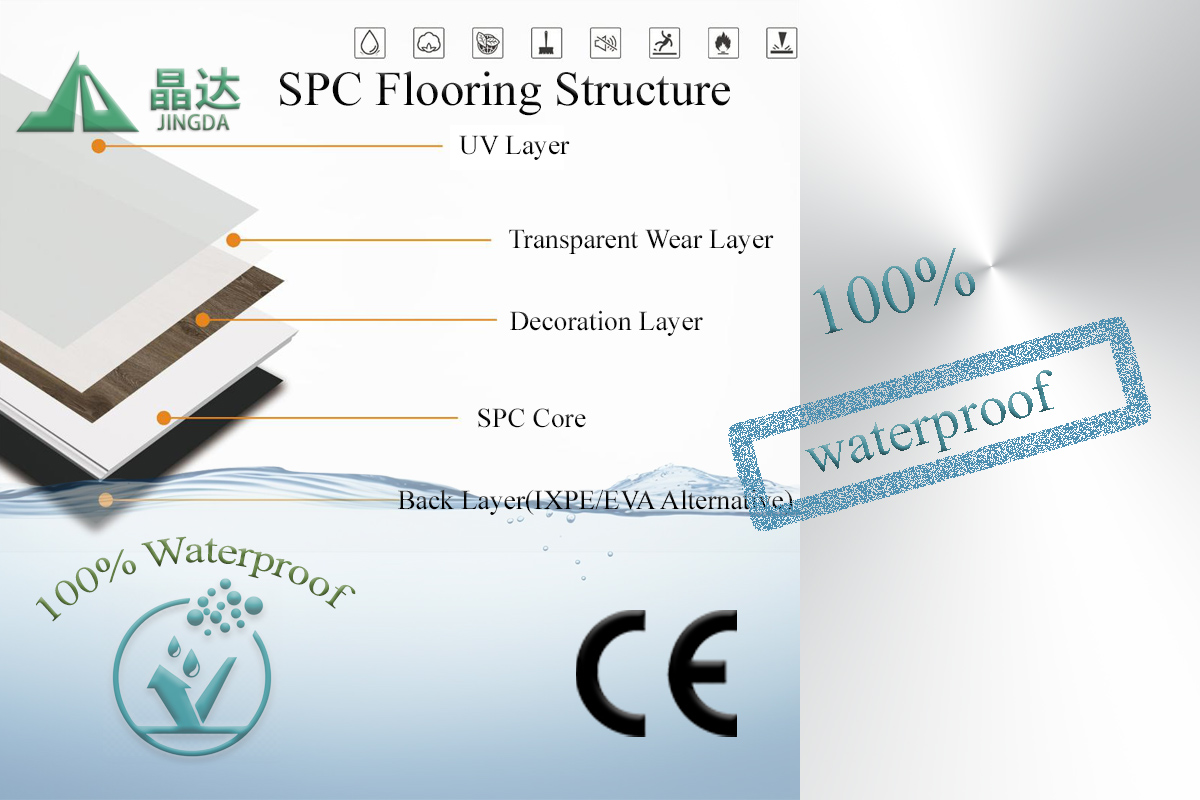
Is SPC Flooring Better Than Vinyl
For decades, vinyl flooring has held a firm place in the flooring market due to its cost-effectiveness and diverse design options. However, the rise of Stone Plastic Composite (SPC) flooring has introduced a compelling alternative. SPC flooring distinguishes itself with its unrivalled sturdiness and rigidity, derived from its unique stone-plastic composition. This heightened robustness equates to exceptional resistance to damage and indentations, even when subjected to substantial weight or force. It’s a characteristic that sets SPC flooring significantly apart from conventional vinyl options.
An important distinction to note between SPC and traditional vinyl flooring lies in their format availability. While vinyl flooring can be found in both sheet and plank formats, SPC flooring is exclusively available in the form of boards. This results in a more straightforward and seamless installation process, providing a uniform look that’s visually pleasing.
From an aesthetic perspective, SPC flooring can mimic a wide variety of materials, such as stone, wood and parquet, due to advanced printing and texturing technologies. You can find SPC in different styles, including plank, tile, and even herringbone, providing a high degree of flexibility when it comes to matching your home decor. Despite these advantages, vinyl may be a more suitable choice for those seeking a softer feel underfoot, or those working with a limited budget, as vinyl tends to be less expensive than SPC. If comfort is important to you and SPC is the direction you’re going to take, consider SPC flooring with built in underlay.
SPC vs WPC Flooring: Are These The Same?
When exploring resilient flooring options, WPC, or Wood Plastic Composite, is another popular choice. Like SPC, WPC also boasts a robust construction, featuring a core composed of wood pulp and plastic composites. While both options share similarities like water resistance and durability, several differences set them apart.
The primary difference lies in the core composition. SPC’s stone-based core provides superior hardness and stability, making it more resistant to impacts and temperature changes. WPC, however, feels softer underfoot and can absorb sound better, contributing to a quieter living environment. Ultimately, the choice between SPC and WPC would depend on your specific requirements. If you’re looking for supreme durability and resistance, SPC might be your best bet. On the other hand, if comfort and sound absorption top your list, WPC might be more suitable.
SPC Flooring Data | |||
Classification | Classic | Premium | |
CORE THICKNESS | 4 | 5mm,6mm,7mm,8mm | |
WEAR LAYER | 0.3 | 0.5mm to 0.7mm | |
Sizes | 1220*150/151/152/180/181/182/183/228/229/230 mm | 1220*150/151/152/180/181/182/183/228/229/230 mm | |
BACK LAYER WITH EVA/IXPE | 1.0mm 1.5mm | 1.0mm 2.0mm | |
Surface Finish | Embossed | Registered Embossing | |
BEVEL | Micro | Micro / Painted | |
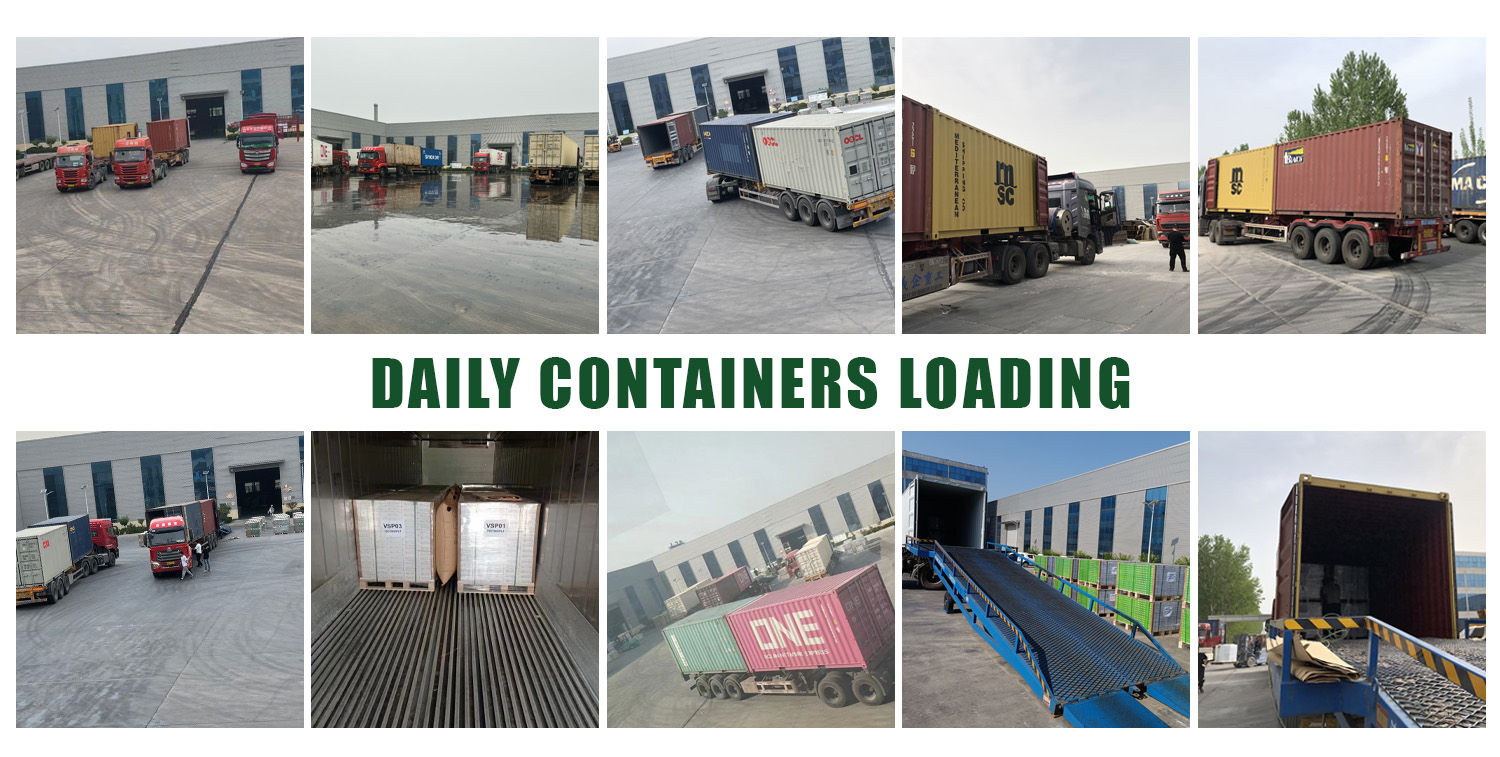
JINGDA SPC FLOORING LOADING
The Benefits of SPC flooringIt offers superior stability and a long-lasting lifespan, making it a perfect choice for residential and commercial spaces. The attached acoustic pad also ensures sound suppression and shock absorption, creating a quieter and more comfortable environment.
If you are looking for a long lasting and water-resistant flooring option which is easy to sustain, SPC Flooring is the best choice. Stone Plastic Composite (SPC) flooring is made of a combination of stone powder which is in its natural form, PVC resin and stabilizers that creates a refined product which is further used for moisture and water resistance. With multiple options available in the market, it is difficult for an individual to decide which SPC flooring is best for your space,pls contact Jingda Flooring for more suggestions.